Chicago is Illinois’ largest city and a major transportation center, with more than 2.7 million residents and a dense network of roads connecting neighborhoods across the city. Major routes such as I-90, I-94, I-290, and Lake Shore Drive carry heavy traffic, while O’Hare and Midway airports add significant travel activity.
With millions of residents, commuters, and visitors moving through Chicago each day, rideshare services such as Uber are a common part of local transportation. When a collision occurs, knowing what to do after Uber crash events can make all the difference for your recovery. Passengers often face immediate questions about driver liability, medical bills, and navigating rideshare accident insurance Chicago policies.
Passengers should seek medical attention, document the accident, preserve evidence, and understand the available coverage before accepting a settlement. To protect your passenger injury compensation rights in Illinois, speaking with a Chicago Uber accident lawyer can help clarify the claims process and available legal options.
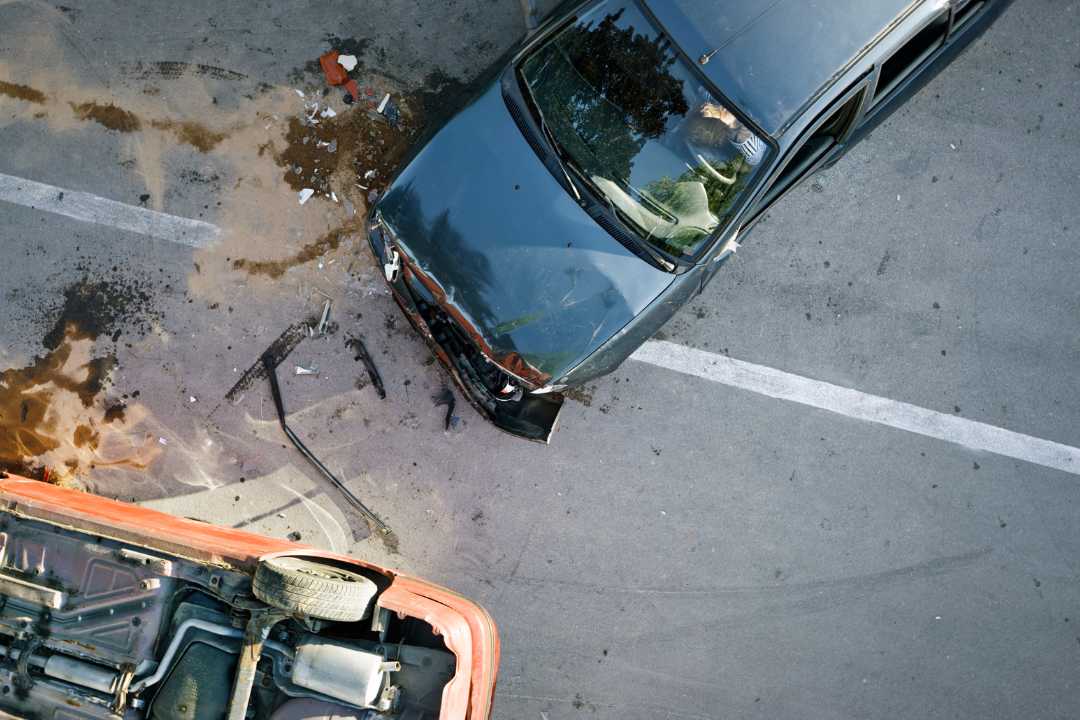
 What to Do after Uber Crash
Taking clear, deliberate steps right after a collision protects both your physical health and your future legal claim. Understanding what to do after Uber crash incidents ensures you gather the proper documentation and avoid common mistakes with insurance representatives.
Get Medical Attention First
Your health should be the first priority after an Uber crash. Some injuries, including whiplash, soft tissue injuries, and concussions, may not become obvious immediately.
A medical examination can identify injuries that may otherwise go untreated. Medical records can also establish a connection between the crash and your injuries if you later pursue compensation.
Follow your healthcare provider’s recommendations and keep records of appointments, prescriptions, medical bills, and other treatment-related expenses.
Report and Document the Crash
Make sure the accident is properly reported. If police respond, obtain information about the report when available. You should also save details about the Uber trip, including the driver’s name, vehicle information, pickup and drop-off locations, and trip receipt.
If you are physically able, photograph the vehicles, roadway, visible injuries, and surrounding area. Witness names and contact information can also be valuable. Because rideshare records may become important later, preserve screenshots, receipts, messages, and other information connected to the Uber trip.
Understand Uber’s Insurance Coverage
Understanding these policy tiers is critical when filing a claim. Because rideshare accident insurance Chicago claims involve strict app-status criteria, establishing the exact timing of your ride ensures you receive maximum passenger injury compensation Illinois benefits for medical expenses and lost work time.
One of the most important issues after an Uber crash is determining which insurance policy applies. Illinois law establishes insurance requirements for transportation network companies, and coverage can change depending on what the driver was doing when the crash occurred.
Under 625 ILCS 57/10, when a participating rideshare driver has accepted a ride request and is transporting a passenger, primary automobile liability coverage of at least $1 million is required. The law also requires uninsured and underinsured motorist coverage for passengers during the trip.
This means the driver’s status at the exact time of the crash can matter when determining available coverage.
Be Careful with Insurance Adjusters
After a crash, an insurance company may contact you to discuss the accident and your injuries. While providing basic information may be necessary to begin a claim, avoid guessing about details or minimizing your injuries.
Do not assume that an early settlement offer reflects the full value of your claim. Some injuries require continuing treatment, and the financial effects of an accident may not be immediately clear.
Illinois uses a modified comparative negligence system. Under 735 ILCS 5/2-1116, an injured person can generally recover damages when their fault is 50% or less, although compensation can be reduced according to their percentage of fault.
Keep Track of Your Losses
An Uber crash can create expenses beyond the initial medical bill. Depending on the circumstances, losses may include medical treatment, rehabilitation, lost wages, transportation expenses, and other accident-related costs.
Detailed documentation can make it easier to demonstrate the financial impact of the accident.
Consider Speaking with a Lawyer
Rideshare claims can involve complicated insurance questions, multiple parties, and disputes over liability. An attorney can review the accident, identify potentially responsible parties, gather relevant evidence, communicate with insurers, and help evaluate potential damages.
This can be especially useful when injuries are serious, fault is disputed, or an insurer questions your claim.
Key Takeaways
- Seek medical attention after an Uber crash, even if injuries initially seem minor.
- Save your Uber trip information, receipts, messages, and other records.
- Photograph the crash scene, vehicles, and visible injuries when possible.
- Determine which insurance coverage applies based on the driver’s status at the time of the crash.
- Illinois law requires specific insurance coverage for transportation network companies.
- Keep records of medical expenses, lost income, and other accident-related losses.
- Be cautious before accepting an insurance settlement.
- Consider legal guidance when injuries are serious or liability and insurance coverage are disputed.
Recovering Damages for Rideshare Collision Injuries
Beyond immediate medical care, a collision can affect your employment and long-term well-being. Illinois law allows accident victims to seek compensation for both financial losses and non-economic harm resulting from negligence.
When evaluating a claim, documented losses often include:
Medical Expenses: Coverage for emergency services, surgeries, prescription medications, physical therapy, and necessary future care.
Lost Income: Reimbursement for wages missed while recovering, as well as compensation for diminished future earning capacity.
Pain and Suffering: Financial compensation for physical pain, emotional distress, and loss of life enjoyment caused by the collision.
Calculating full damages requires examining medical records and long-term prognoses. Working with a dedicated professional helps ensure all economic impact and future care needs are accurately represented during settlement negotiations.
In Closing
Knowing what to do after Uber crash situations empowers passengers to take control of their physical and financial recovery. By preserving evidence, documenting medical care, and understanding how rideshare accident insurance Chicago laws apply, you safeguard your right to fair passenger injury compensation Illinois outcomes.
Consulting an experienced professional will ensure your rights remain protected throughout every stage of the recovery process.