


Mythology and ancient history aren’t confined to textbooks or museum placards. In several places around the world, you can still experience the stories that shaped entire civilizations firsthand, standing among the same stones, temples, and tombs that inspired them thousands of years ago. For travelers drawn to these legends, exploring top mythology destinations offers more than typical sightseeing—it provides a direct, physical connection to myths that have shaped human culture for millennia.

 Check Out These Exciting Mythology Destinations
Choosing the right itinerary for ancient mythology travel helps bring these legendary tales to life. From towering marble sanctuaries to long-buried underground cities, visiting key historic sites for mythology fans ensures an unforgettable journey.
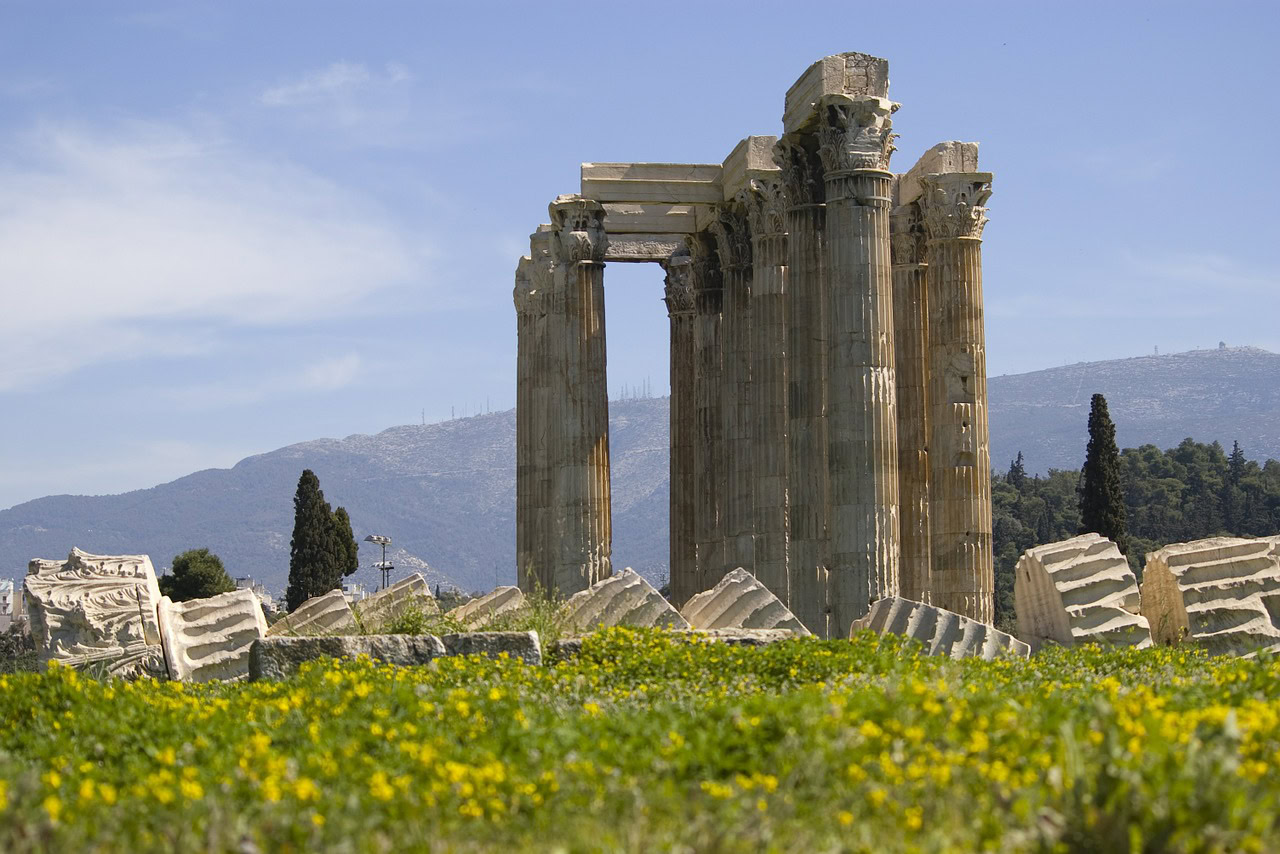
Greece: Where Mythology Meets the Landscape
Athens is a natural starting point, largely because the Acropolis sits above the city as a physical reminder of the myths tied to its founding. The Parthenon, dedicated to Athena, connects directly to the legend of her contest with Poseidon for patronage of the city, a story that shaped Athenian identity for centuries.
Delphi, located in the mountains northwest of Athens, was once considered the center of the ancient world. It housed the famous oracle, whose pronouncements influenced decisions made by kings and city-states throughout the region. The ruins there, including the Temple of Apollo, still convey why the site held such significance.
Crete offers a different kind of connection, tied to the legend of the Minotaur and the labyrinth. The ruins at Knossos, extensively excavated and partially reconstructed, give visitors a tangible sense of the palace believed to have inspired the myth, even as scholars debate the historical and mythological details.

Egypt: Temples, Tombs, and Timeless Monuments
Few destinations offer as immediate a connection between mythology and architecture as Egypt. The pyramids of Giza and the Sphinx remain among the world’s most recognizable structures, built around religious beliefs about the afterlife and the divine status of pharaohs.
Luxor, further south along the Nile, provides an equally significant experience through the Valley of the Kings, where elaborate tombs were constructed to prepare rulers for their journey into the afterlife. The level of detail in the wall paintings and burial chambers offers direct insight into how deeply mythology shaped ancient Egyptian daily and spiritual life.
Because Egypt’s major historical sites are spread across a wide geographic area, many travelers choose a 15-day Egypt tour to comfortably cover Cairo, Luxor, Aswan, and the Nile without rushing between locations. Given the distances involved and the amount of history concentrated in each region, a longer, well-paced itinerary tends to make the experience considerably more manageable than trying to condense it into a shorter trip.
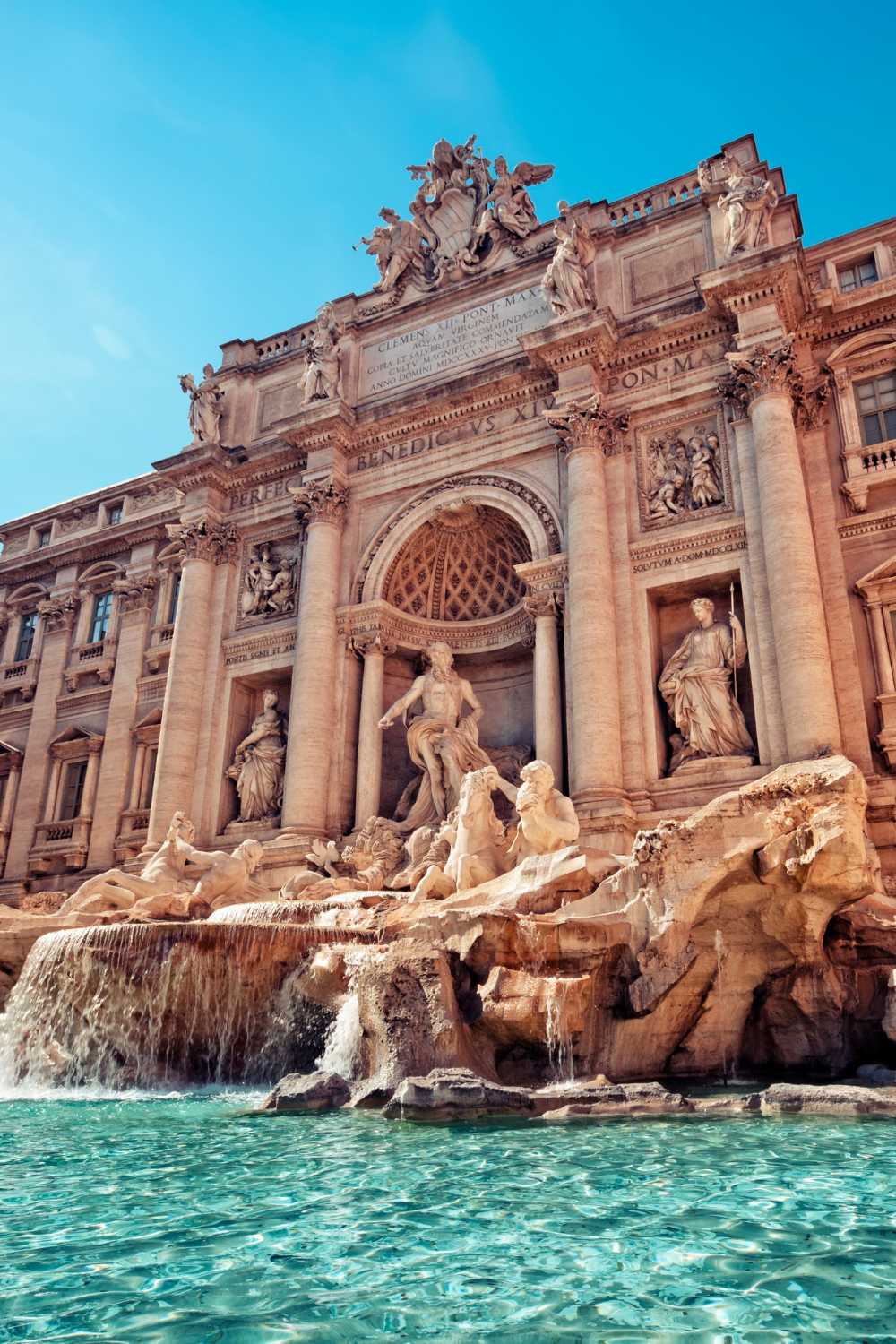
Italy: The Heart of Roman Mythology
Rome’s Colosseum and Forum remain physical remnants of stories involving gods, emperors, and founding myths, including the legend of Romulus and Remus, the twin brothers said to have founded the city after being raised by a wolf. Walking through the Forum, once the center of Roman public life, offers a sense of scale that’s difficult to grasp from images alone.
Pompeii and Herculaneum, both preserved under volcanic ash from the eruption of Mount Vesuvius in 79 CE, provide an unusually detailed look at daily Roman life, frozen at a specific moment in time. Sicily adds another layer to Italy’s mythological landscape, with well-preserved Greek temples that show how mythology and cultural influence overlapped across ancient Mediterranean civilizations.

Turkey: A Crossroads of Ancient Civilizations
Ephesus, on Turkey’s western coast, contains some of the best-preserved ruins tied to both Greek and Roman mythology, including the remains of the Temple of Artemis, once considered one of the Seven Wonders of the Ancient World.
Troy, the legendary setting of Homer’s Iliad, remains an active archaeological site, and though scholars still debate how much of the Trojan War story reflects historical events, the site offers a compelling look at the layers of civilization built atop one another over centuries. Cappadocia, while less directly tied to mythology, offers insight into ancient history through its extensive underground cities, built as refuges during periods of conflict.
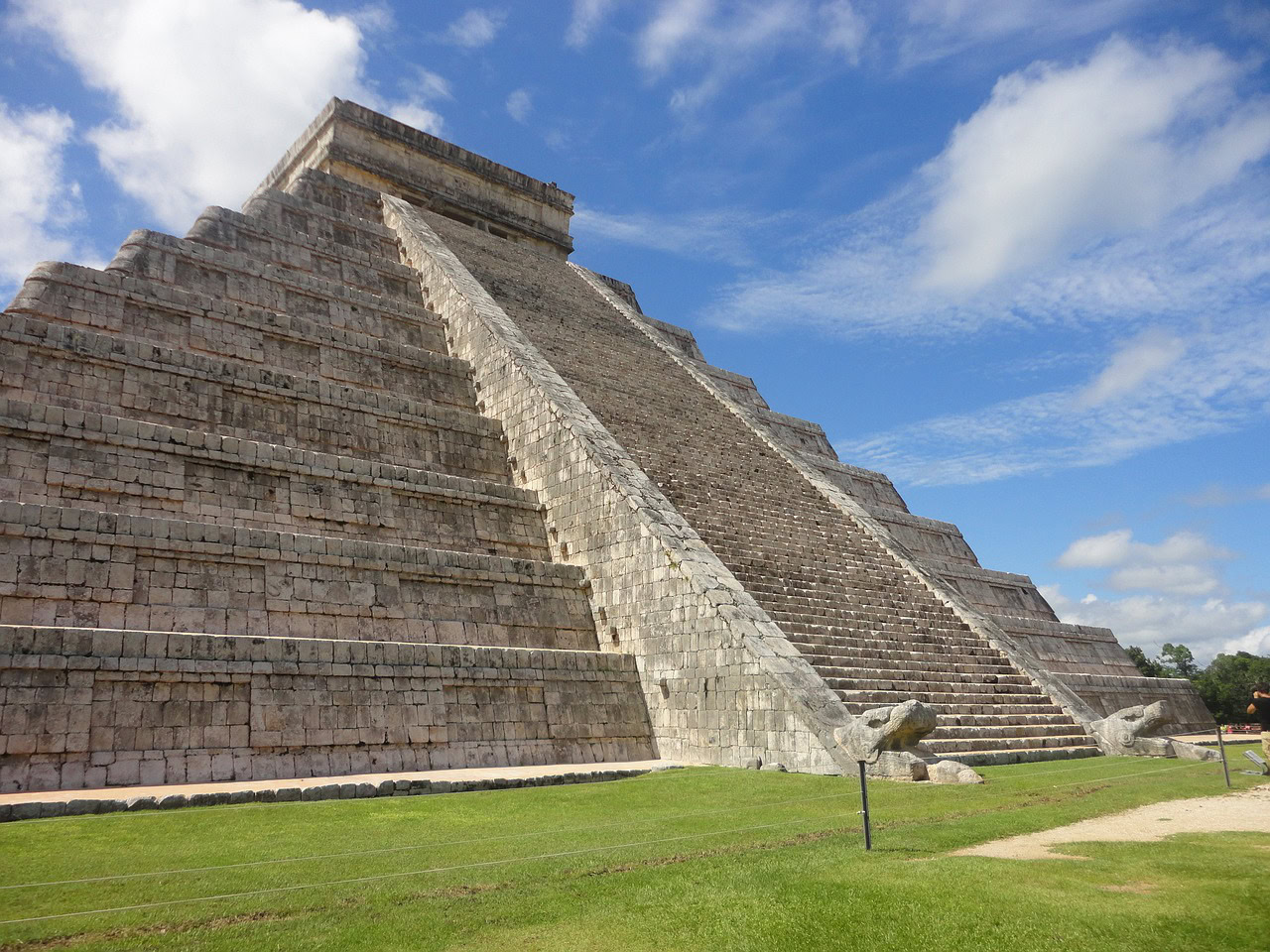
Mexico and Central America: Mythology Beyond the Mediterranean
Mythology and ancient history extend well beyond Europe and the Middle East. Chichen Itza, one of Mexico’s most visited archaeological sites, reflects Maya mythology and its deep connection to astronomy, with the main pyramid aligned precisely with the solar calendar.
Teotihuacan, home to the Pyramid of the Sun, is linked to creation myths later adopted and reinterpreted by the Aztec civilization. These sites offer a mythological tradition distinct from, and equally rich as, the more commonly discussed histories of Greece, Rome, and Egypt, though they often receive less attention from travelers focused primarily on European and Middle Eastern history.
Tips for Visiting Mythology and History-Focused Destinations
Booking guided tours at major sites often provides context that plaques and self-guided visits tend to miss, particularly at locations where the history is complex or contested among historians. Timing visits to avoid peak crowds, whether early morning or during shoulder-season travel months, makes it easier to actually take in the scale and detail of these sites.
Pairing on-site visits with nearby museums is also worthwhile, since many artifacts have been moved for preservation and are no longer displayed where they were originally found.
Conclusion
These destinations offer far more than typical sightseeing. They provide direct contact with the stories, beliefs, and historical events that have shaped human culture for thousands of years. Given how popular and logistically involved many of these sites can be, planning ahead, particularly for regions with multiple spread-out locations, makes it considerably easier to experience them fully rather than rushing through on a tight schedule.

