


Keeping dogs calm when left alone is a dilemma many run into when they leave for work, a long day out, or anything that keeps them from home for more than a couple of hours. Many domestic animals require structure and consistency to remain relaxed during brief absences, which makes leaving dogs home alone easier for everyone. Simple daily adjustments to the household routine establish a secure environment for a canine companion.
A dedicated pet parent utilizes positive habits to promote normal wellness during short periods of solitude, often searching for effective dog separation anxiety solutions. Incorporating calming supplements for dogs to help maintain a calm disposition further supports balanced lifestyle choices for the household. This article outlines practical strategies for keeping dogs calm when left alone to support a stable environment during temporary separation from dogs.
To ensure your pet’s comfort and well-being from the moment you step out the door, prioritizing keeping dogs calm when left alone is the vital shift that transforms stressful departures into a seamless routine.

 Establishing a Secure Routine for Leaving Dogs Home Alone
Welcoming a reliable pet care routine into your daily schedule is an incredible milestone, but it immediately introduces a complex layer of structural shifts to your typical habits. Prioritizing consistent routines ensures that these transitions remain manageable, turning the logistical hurdle of keeping dogs calm when left alone into a highly predictable, reassuring part of your pet parenting framework.
Prepare a Calm Exit Routine
Supplements like CBD oil dosage for dogs may support stable routines before a pet parent steps out the front door. Steady departure habits establish a predictable environment and reduce emotional excitement, playing a crucial role in keeping dogs calm when left alone. Quiet actions near coat racks and key hooks teach the animal to view departures as normal events. A pet parent eliminates dramatic farewell gestures to maintain a peaceful atmosphere. This low-key approach ensures the residence remains a tranquil sanctuary.
Offer Comfort Through Familiar Items
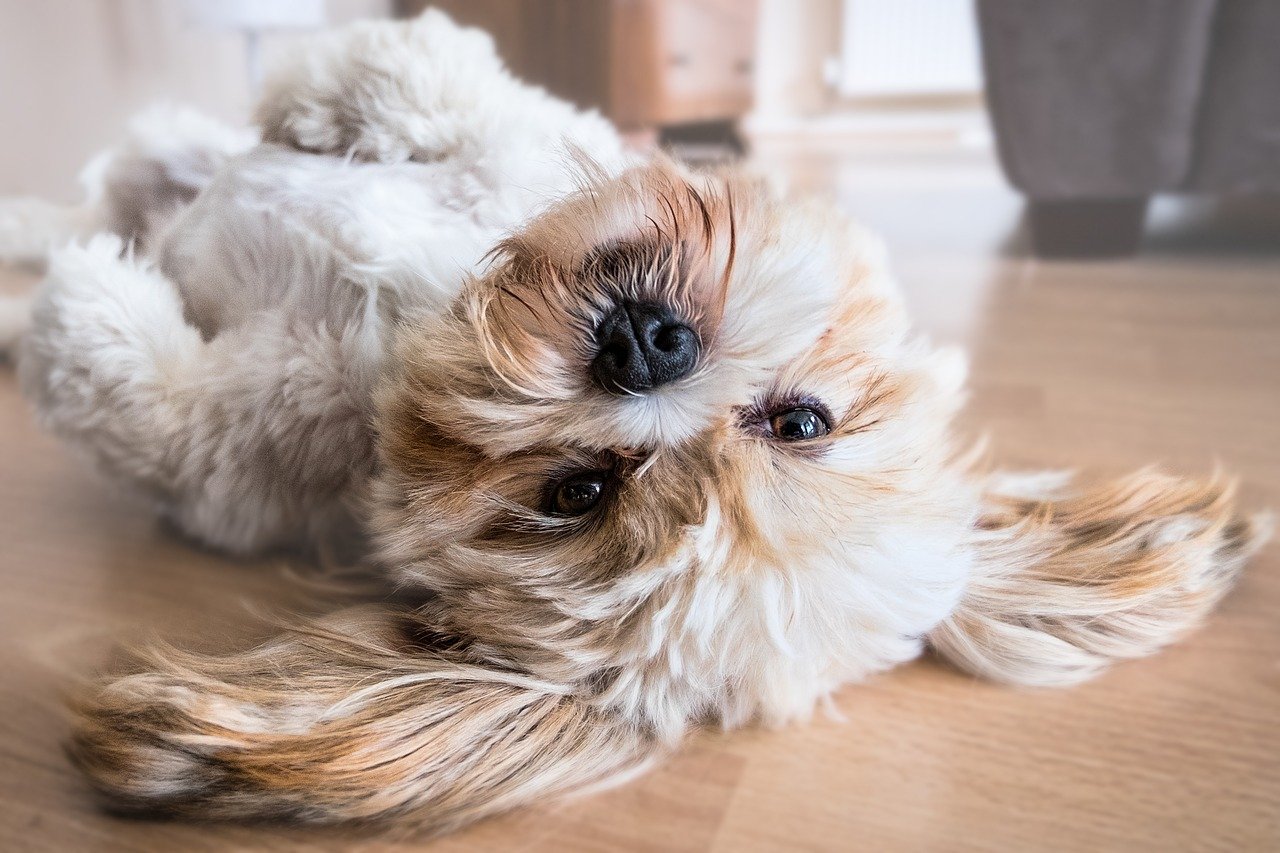
Soft resting spaces stuffed with familiar scents provide substantial reassurance during brief isolation periods. Items like worn shirts or thick blankets carry a reassuring scent that supports calm behavior, serving as practical dog separation anxiety solutions. These comfort objects help a companion maintain a familiar routine in a quiet house. A favorite toy provides additional sensory support within the designated rest zone, which is essential for keeping dogs calm when left alone. This simple arrangement creates a secure perimeter for relaxation.
 Use Brief Practice Departures
Short, gradual exits help build a dog’s comfort with time alone. A pet parent can start with one to two minutes outside, return calmly, then extend the duration across several sessions. These sessions teach a dog that departure is a normal, temporary event, serving as a foundation for keeping dogs calm when left alone. Some helpful approaches include:
- Step outside briefly, then return without dramatic greetings or fanfare.
- Vary exit times slightly so a dog does not lock onto a single departure cue.
- Keep return energy calm so arrivals remain low-key.
- Gradual exposure may support stable behavior during longer absences, proving that simple adjustments make leaving dogs home alone a stress-free experience.
Maintain Quiet Indoor Activity
A dog left with purposeful activities tends to settle more easily than one left in a silent room, making engagement a key factor in keeping dogs calm when left alone. Puzzle feeders, frozen food toys, or chew items placed in a calm area may help dogs stay engaged without overstimulation. Soft background sounds, such as a low-volume radio, can maintain a comfortable atmosphere. Activity stations prepared before departure may support consistent calm behavior:
- Interactive puzzle games deliver slow food rewards during alone time.
- Soft background instrumentals mask sudden exterior neighborhood noises.
- Hidden kibble encourages quiet search activities across the room.
- Durable rubber toys provide safe chew outlets without overstimulation.
- These calm household conditions value pets to promote wellness while the residence remains empty.
 Create Positive Return Habits
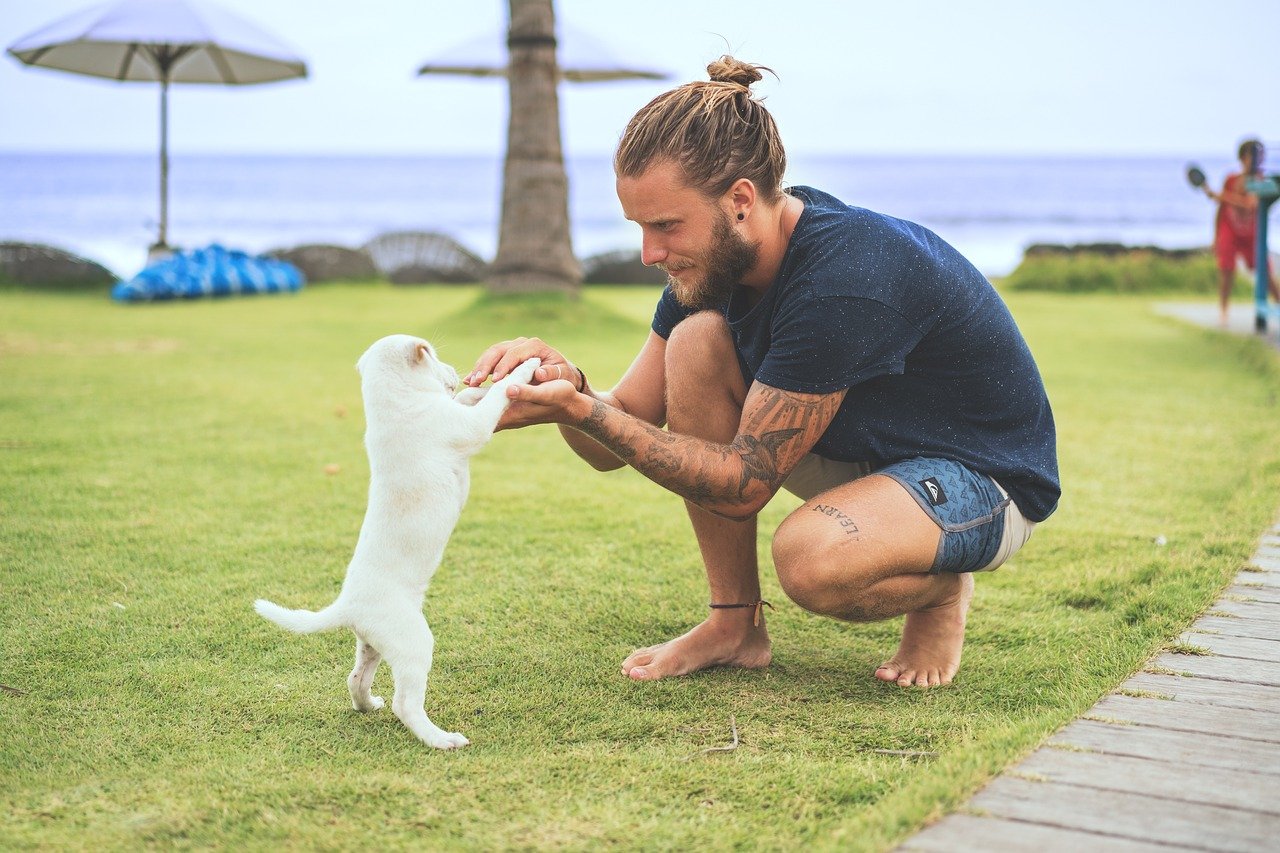
Reentry habits require the same low-key energy as the initial departure process, reinforcing the practice of keeping dogs calm when left alone. A pet parent ignores overexcited greetings until the dog adopts a relaxed posture. This calm response teaches the animal that reunions represent a standard part of the daily schedule. Supplements such as CBD oil dosage for dogs assist in the maintenance of this balanced emotional state. Stable routines throughout the day encourage ongoing comfort and support reliable behavioral patterns.
A structured video log of solo pet activity helps track small successes over multiple weeks. Consistent execution of these departure protocols establishes an enduring foundation for a balanced domestic lifestyle, offering effective dog separation anxiety solutions. Early adoption of quiet routines promotes normal wellness and prevents stressful anticipation before short absences. A serene home environment remains the ultimate goal for every dedicated household, especially when navigating the nuances of leaving dogs home alone.
Attentive care ensures a smooth and predictable daily routine for a companion, ultimately mastering the art of keeping dogs calm when left alone with consistent habits and tools like calming supplements for dogs.
In Closing
Ultimately, guiding your canine companion toward a relaxed state during your brief absences is an ongoing process built on patience, empathy, and consistency. By implementing a structured daily routine, you provide the predictable environment that many domestic animals inherently crave. When you focus on subtle departures, offer engaging puzzle toys, and maintain a low-key atmosphere upon your return, you strip away the anxiety that often accompanies an empty house. These small, intentional adjustments might seem minor in the moment, but they add up to a significant shift in your dog’s emotional well-being over time. It is about transforming a highly stressful event into a completely ordinary part of their day.
Mastering the approach to keeping dogs calm when left alone does more than just protect your household items or appease your neighbors; it fundamentally deepens the bond of trust between you and your pet. When your dog understands that your departure is temporary and their environment remains secure, they can truly relax and enjoy their independent time. Embracing these practical, consistent strategies ensures that every time you walk out the front door, you leave behind a serene home and a happy companion eagerly, yet calmly, awaiting your return.

