


Hair loss can shake his confidence and change how he feels each day. Many men reach for a shampoo that claims to fix the problem, yet not every formula supports real scalp health. He needs to know what the active ingredients are in men’s hair loss shampoos, so he knows it actually works before he buys a product.
The best men’s hair loss shampoos contain proven ingredients that target scalp health, block DHT, and support stronger hair. This article explains how specific ingredients such as biotin, ketoconazole, pyrithione zinc, caffeine, and saw palmetto support hair and scalp health. As a result, he can choose a shampoo with a clear purpose instead of empty claims.

 So What’s in Men’s Hair Loss Shampoos Anyways?
Here we look at the active ingredients in men’s hair loss shampoos so you can shop with confidence.
Biotin – strengthens hair and supports follicle health
Biotin is a B vitamin that supports healthy hair structure. It helps the body produce keratin, the protein that forms hair strands. As a result, many men look for biotin in men’s hair loss shampoo for hair growth stimulation that targets weak or thinning hair, since biotin plays a key role in strand strength.
In addition, biotin supports normal cell activity inside the hair follicle. Strong follicles can produce thicker strands over time. Some shampoos combine biotin with caffeine or peptides to support scalp health and hair density.
However, research shows that biotin helps most in people who lack this vitamin. Healthy men with normal levels may not see dramatic changes. Even so, a biotin shampoo can support overall scalp condition and help reduce breakage, which makes hair look fuller and stronger.
Ketoconazole 2% – anti-inflammatory and androgen-blocking effect
Ketoconazole 2% is one of the few shampoo ingredients with human studies that show it may slow male pattern hair loss. Thus, it’s important to look for this in men’s hair loss shampoos. Doctors first used it to treat dandruff, yet research found added benefits for thinning hair.
It reduces scalp fungus and lowers irritation. As a result, the scalp environment becomes calmer, which may help protect hair follicles from damage linked to inflammation.
In addition, ketoconazole shows mild anti-androgen effects. It may reduce the impact of DHT on the scalp, a hormone tied to androgenetic alopecia. This dual action sets it apart from basic cleansing shampoos.
Men often use it two to three times per week as part of a broader hair loss plan. However, it does not replace proven treatments such as minoxidil or finasteride. Instead, it serves as a supportive option that targets scalp health and hormone activity at the surface level.
 Pyrithione Zinc 1% – reduces scalp inflammation and dandruff
Pyrithione zinc 1% targets dandruff at its source. It acts as an antifungal and antibacterial agent that limits the yeast linked to flakes and seborrheic dermatitis. As a result, it helps calm redness and reduce scalp irritation. Finding this in men’s hair loss shampoos is common.
A healthier scalp supports better hair growth conditions. Excess oil, itching, and flaking can weaken the scalp barrier and lead to shedding. By reducing inflammation and balancing oil levels, pyrithione zinc helps create a steadier environment for hair.
Most men’s hair loss shampoos use a 1% strength because research shows this level works for many men. In addition, it suits regular use, often several times per week, based on label directions. Men with mild to moderate dandruff may see fewer flakes and less itching with steady use.
For men with hair loss and scalp irritation, this ingredient offers targeted relief without harsh effects.
Caffeine – stimulates scalp circulation and hair growth
Caffeine is a common ingredient in men’s hair loss shampoos. It helps increase blood flow in the scalp, which may support hair follicles. Better circulation can help deliver oxygen and nutrients to the roots.
Research suggests that caffeine can reach the hair follicle after short contact with the scalp. Some lab studies show that it may counter certain effects of hormones linked to male pattern hair loss. As a result, it may help support thicker and stronger hair over time.
However, caffeine shampoo does not replace medical treatments for hair loss. Doctors often view it as a supportive step rather than a primary solution. In addition, results can vary from person to person.
Men who notice mild thinning or early shedding may benefit most from shampoos with caffeine. Regular use, as directed, can help maintain scalp health and support healthier hair growth.
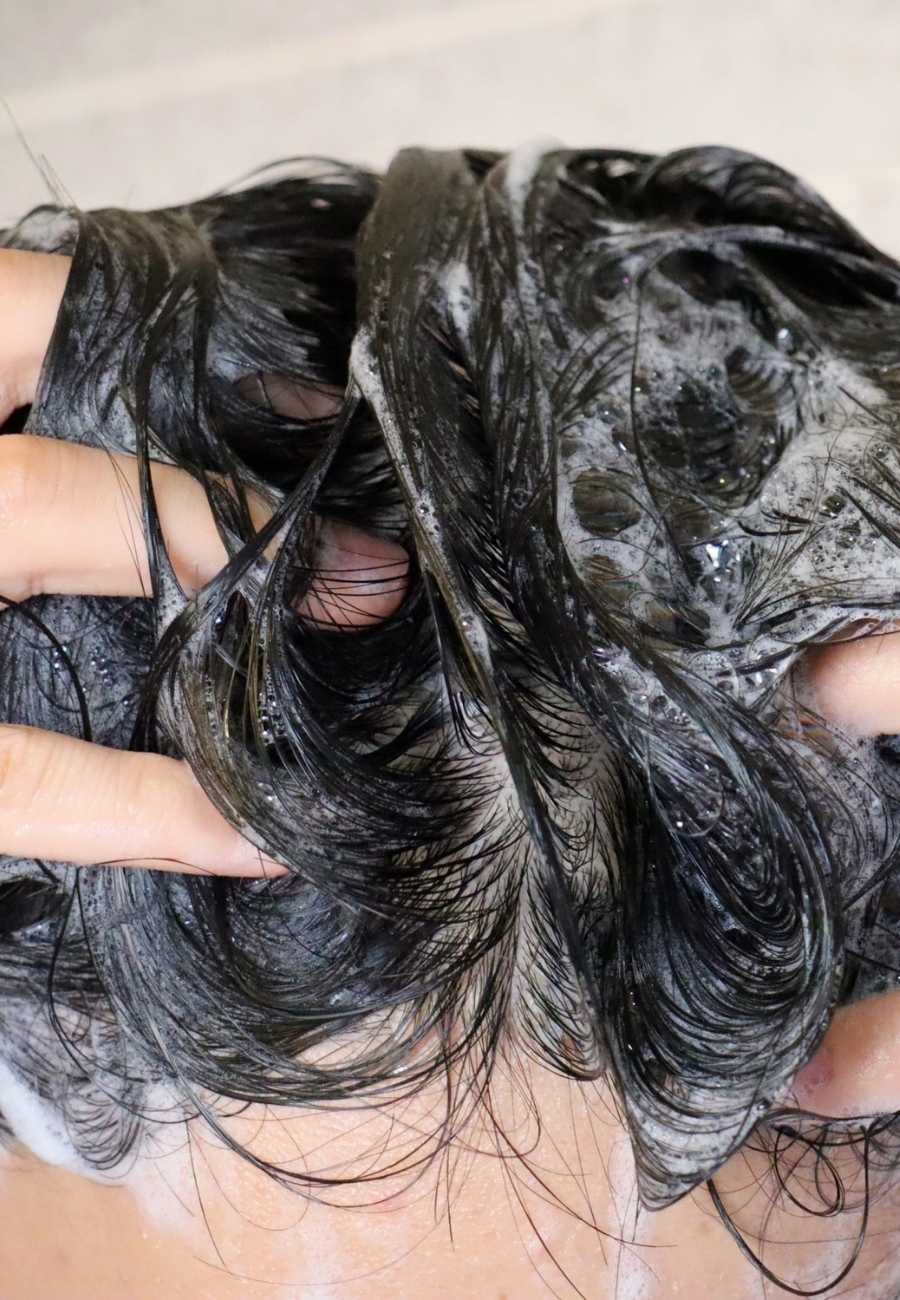 Saw Palmetto – blocks DHT to prevent hair loss
Saw palmetto is a plant extract that may help men with pattern hair loss. Experts link this type of hair loss to dihydrotestosterone, or DHT. DHT can shrink hair follicles over time.
Saw palmetto may block an enzyme called 5-alpha reductase. This enzyme converts testosterone into DHT. By lowering DHT levels in the scalp, saw palmetto may slow hair loss in some men.
Research shows mixed but promising results. A standardized 320 mg extract has reduced scalp DHT by about 30 to 45 percent in some studies. About six out of ten adults with mild to moderate hair loss saw improvement after several months.
Results vary from person to person. It tends to work best in the early stages of hair loss and may take three to six months to show a change. Side effects are uncommon at the labeled dose, which makes it a common ingredient in DHT-focused shampoos.
Conclusion
Men should focus on shampoos with ketoconazole or pyrithione zinc, the only ingredients backed by human trials that show slower male pattern hair loss. These actives reduce scalp inflammation and may limit DHT effects, which supports healthier follicles.
However, shampoo alone will not stop hair loss, so he may need medical treatment or lifestyle changes for better results. A clear label and consistent use three times per week help him get the most from the product.

