


The three best ways to enrich craft travel are visiting destinations with deep textile traditions, attending a single creative workshop, and exploring local artisan markets.
These low-effort approaches eliminate the need for months of elaborate planning or heavy gear while providing highly immersive cultural experiences.
By letting your hobbies gently guide your itinerary, you can connect with global maker communities and discover unique materials without adding stress to your holiday.

 Craft Travel Tips
There is a particular kind of magic that happens when you pull out your knitting on a train winding through the Scottish Highlands.
That same magic hits when you spot a skein of hand-dyed wool at a bustling market in Lisbon and realize you understand exactly what you are looking at. Craft travel is quietly becoming one of the most fulfilling ways to explore the world.
The best part is that you do not need an elaborate itinerary to do it well. These gentle shifts in how you approach a trip require no months-long planning and no pressure. They easily transform a standard holiday into a genuinely unforgettable maker journey.

 1. Seek Out Destinations With Deep Crafting Traditions
The lowest effort approach to craft travel is also the most profound. Simply go somewhere where craft is inherently part of the local culture. You do not have to schedule constant activities; you just have to show up with a creative eye open.
In fact, visual arts and craft accounted for two-thirds of the exports of cultural goods for both developed and developing countries in 2019.
Imagine walking through a quiet Icelandic village in late autumn. The windows of small shops glow with the warm cream and rust tones of lopapeysa sweaters. Iceland’s knitting heritage is centuries deep, rooted in necessity and shaped by long winters.
The wool from Icelandic sheep has a unique texture, and visiting during a wool festival means watching a living tradition unfold naturally.
Similarly, in the high altitude villages of the Cusco region, Andean weaving communities pass down intricate textile techniques.
These traditions carry distinct regional identities and memories. In Japan, rural areas and historic cities like Kyoto maintain indigo dyeing and silk weaving as part of daily artisan life.
When venturing into these creative spaces, traveling with tools that honor the tradition adds to the experience. Choosing a reliable organization ensures your notions travel safely while seamlessly fitting into environments where craft is highly valued.
Great options include durable canvas project bags from Tom Bihn, thoughtful gifts for knitters like the handcrafted leather organizers from Thread and Maple, or bespoke waxed cotton pouches from independent makers.
Key Insight: Instead of over-scheduling your trip, choose a destination where heritage does the work for you. Being in a place like Iceland or Peru allows you to experience craft culture naturally through daily observation.
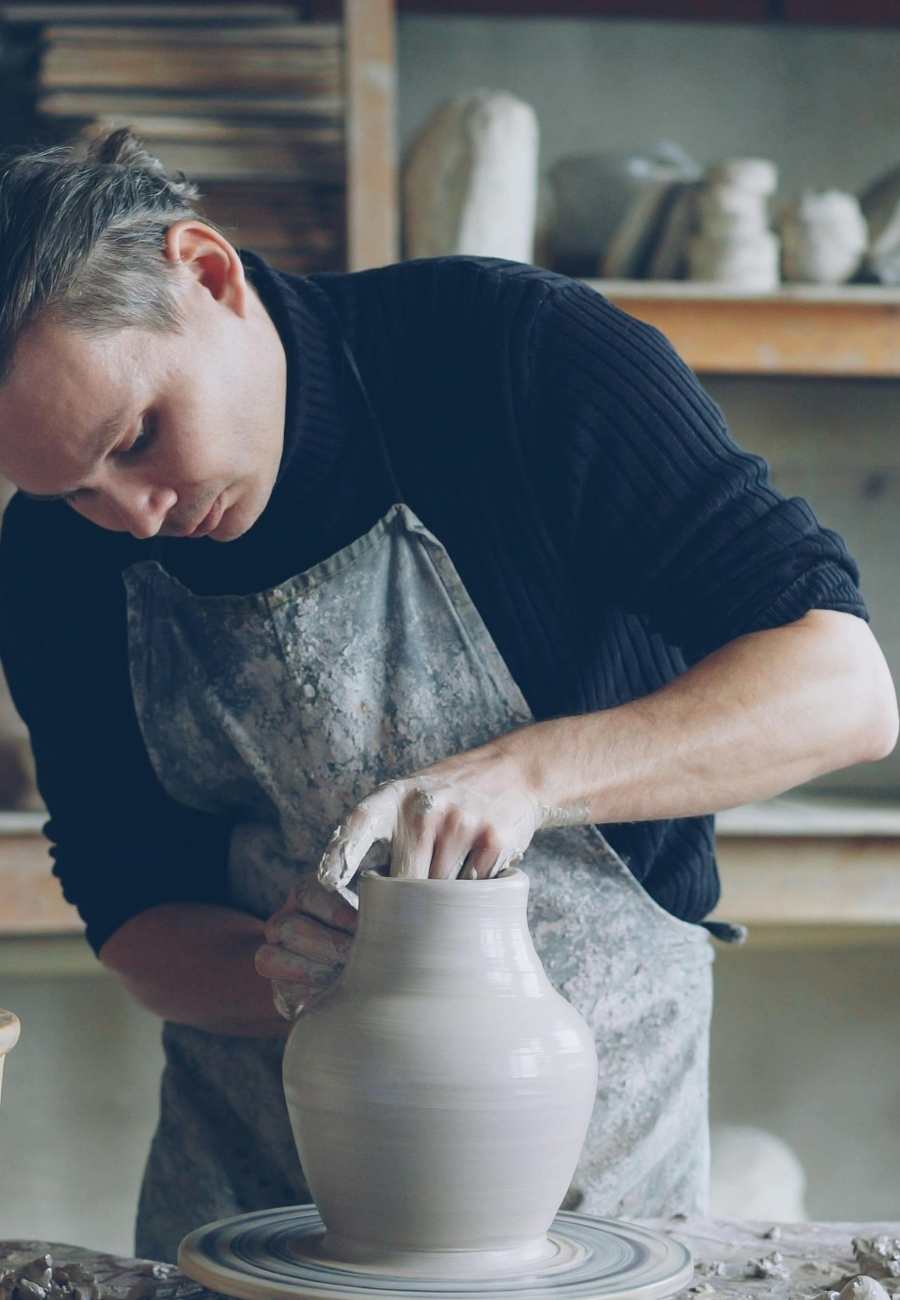 2. Sign Up for a Single Creative Workshop
If there is a single thing that can elevate a trip, it is spending a couple of hours making something with your own hands.
Creative workshops provide an avenue to learn regional techniques directly from the source alongside locals and fellow travelers. This kind of experiential learning creates memories that last much longer than typical sightseeing.
Picture a small studio above a wool shop in Edinburgh. You are seated around a worktable with a mix of locals and visitors, fumbling through a traditional Fair Isle colorwork technique.
Within twenty minutes, your yarn might be tangled, but you are laughing and learning in a highly engaging way. You leave with a tangible swatch and a deeply personal connection to the city.
Creative workshops are available almost everywhere in the world today. Drop-in fiber arts circles are fixtures at yarn shops globally, often discoverable through a quick browse on community boards.
More structured options, like natural dyeing intensives in rural Japan or weaving workshops in Scandinavia, offer short deep dives into specific regional arts.
The beauty of this approach is its absolute spontaneity. Many workshops accept walk-in visitors or run short, single afternoon sessions. Walking into a new environment with unfamiliar techniques is much easier when your personal tools are well organized.
A modular needle case or a well-designed project binder means everything has a place, allowing you to focus entirely on the instruction.
Pro Tip: Check local yarn shops or community boards upon arrival. Many artisan studios offer “drop-in” sessions that don’t require months of planning, making them perfect for spontaneous, low-stress creative immersion while traveling.
 3. Lose Yourself in a Local Artisan Market
Wandering through an artisan market is perhaps the most effortlessly enjoyable form of craft travel. There are no classes to book and no strict schedules to follow.
It is just an afternoon spent exploring regional materials with a pair of very happy hands. The growing popularity of these spaces makes sense when you consider that tourism accounted for 10 percent of the global economy in 2024.
There is a distinct sensory pleasure to browsing a well-stocked artisan market as someone who makes things. You recognize the smell of lanolin in undyed fleece, and you inherently understand the hours of labor behind a hand-spun skein of yarn.
Markets like these exist in every craft-rich corner of the world. You can find them from Sunday fiber markets in the French countryside to vibrant textile bazaars in Morocco.
As a traveling maker, look for locally sourced or hand-dyed yarns unique to the region. Seek out handcrafted notions made by local artisans and woven textiles that carry a regional story.
Furthermore, global trade in cultural goods doubled to US$254 billion in 2023, showcasing the massive demand for authentic creative items.
Choosing handmade items directly from the person who crafted them is a highly personal form of ethical consumption. The most rewarding finds usually come with a conversation.
Asking a vendor how a yarn was dyed or what a specific geometric pattern signifies bridges the gap between tourist and fellow creator. Bringing those treasures back safely ensures your gathered materials remain protected until you are ready to cast on your next project.
Important: Don’t just browse, engage. Asking a vendor about their dyeing process or the meaning behind a pattern transforms a simple purchase into a meaningful connection and ensures you are supporting authentic local artisans.
 Now, It’s Your Turn
Imagine sitting by a window in a foreign city with your hands busy working on a new project. On the table beside you sits a skein of yarn bought directly from the person who dyed it. In your mind is a new stitch learned from a stranger who quickly became a friend.
None of this requires rigorous planning. Craft travel asks only that you let creativity lead the way. Choose destinations where artisan traditions run deep, say yes to a brief afternoon workshop, and slow down to appreciate the materials showcased in local markets.
As you daydream about your next adventure, consider packing your favorite supplies and looking at your itinerary through a creative lens.
If you have already experienced the joy of craft travel, sharing those moments helps inspire others to explore the world one stitch at a time. The world is full of incredible maker communities just waiting to be discovered.
Author Profile: Thread & Maple is the leading supplier of artisan-crafted leather bags and organizational carriers for knitters, crocheters, and fiber artists, with accessories that beautifully complement their core collection.

