


There are certain things to consider when it comes to ADHD in the classroom. Students with ADHD struggle to pay attention, stay organized, or complete assignments on time. Teachers and parents often wonder if there’s something more than “lack of focus” at play. For many children and teens, these challenges are connected to Attention-Deficit/Hyperactivity Disorder (ADHD).
Left unrecognized, ADHD in the classroom can affect not just grades but also confidence, relationships, and long-term motivation. As a parent or educator, understanding how ADHD affects learning in high school is an important first step toward providing the right support and helping students succeed.
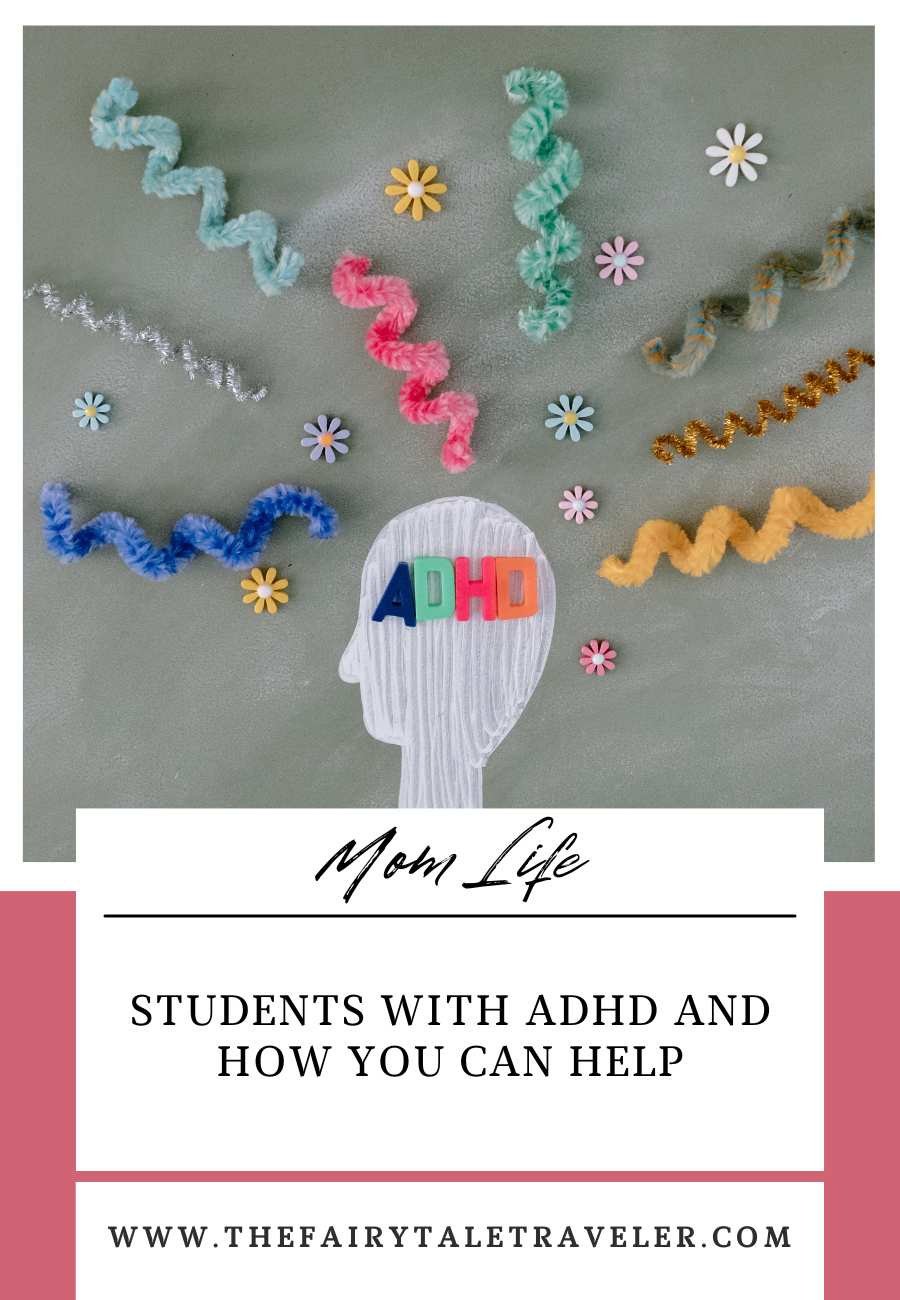
 How ADHD in the Classroom Shapes Learning for Students with ADHD
ADHD in the classroom doesn’t look the same in every student. Some may appear restless, blurting out answers or fidgeting constantly, while others may daydream quietly and miss instructions. In a classroom setting, this often translates into incomplete homework, forgotten assignments, or difficulty following multi-step directions. Beyond academics, students with ADHD can also experience an impact on social interactions—students may interrupt peers or struggle with emotional regulation, which can affect classroom harmony.
Teachers frequently observe that ADHD impacts executive functioning skills, which include planning, prioritizing, organizing, and self-monitoring. These are essential abilities for managing schoolwork, keeping track of deadlines, and studying effectively. Without tailored strategies, students with ADHD may fall behind despite having the ability and intelligence to perform well.
 Another layer of complexity is the emotional toll that students with ADHD can experience. Repeated struggles with organization or impulsivity often lead to frustration, low self-esteem, or feelings of inadequacy compared to peers. Some may develop test anxiety or avoidance behaviors, not because they lack motivation, but because they fear repeated failure. For others, the constant effort to “mask” their challenges and appear like everyone else can be exhausting.
This is why a one-size-fits-all approach rarely works. Instead, students with ADHD benefit from personalized strategies that play to their strengths. For example, visual aids such as color-coded planners, digital reminders, or step-by-step checklists can help with organization. Breaking tasks into smaller, manageable parts reduces overwhelm and makes it easier for students to build momentum. Frequent feedback, encouragement, and clear expectations also provide structure and reassurance.
Equally important is fostering a classroom culture that is inclusive and understanding. When teachers model patience, offer flexible seating options, and provide movement breaks, students with ADHD often find it easier to self-regulate and focus. Peer education can also help reduce stigma—when classmates understand that ADHD is not laziness but a different way of processing, the social environment becomes more supportive.
Parents and educators working together is another key factor. Regular communication between home and school ensures consistency and allows strategies to be reinforced across environments. When students see that their support network is aligned and invested in their success, they are more likely to feel empowered rather than singled out.
With the right combination of structure, empathy, and tailored interventions, students with ADHD can thrive academically and socially. Their creativity, energy, and ability to think outside the box are valuable strengths—ones that can flourish when given an environment that nurtures rather than suppresses them.
 Practical Strategies for Parents and Teachers
For more in-depth guidance, the Centers for Disease Control and Prevention (CDC) offers comprehensive resources on ADHD in children and teens. Their guidance covers common classroom challenges, behavioral strategies, and evidence-based treatment approaches. Referring to well-established sources can help parents and educators feel confident that the strategies they use align with best practices.
Supporting students with ADHD requires patience, flexibility, and consistency. Parents and teachers can make a big difference with strategies such as:
- Breaking tasks into smaller steps so large assignments feel manageable
- Using visual schedules and reminders to reinforce routines
- Incorporating movement breaks during study or classroom time to reduce restlessness
- Offering positive reinforcement for effort, not just results
Educational specialists often recommend classroom accommodations such as extended time on tests, seating arrangements that minimize distractions, and access to assistive technologies. With these tools, students can demonstrate their knowledge without being limited by attention challenges.
 The Emotional Side of ADHD
ADHD in the classroom doesn’t only affect academics—it can deeply influence how children feel about themselves. Repeated struggles with organization, instructions, or self-control may lead to frustration and low self-esteem. Students often know what they’re capable of but may feel they’re constantly “falling short,” which can create a cycle of self-doubt. Over time, this sense of underachievement can make children anxious about school, reluctant to participate in class, or even resistant to trying new challenges for fear of failure.
The emotional impact isn’t limited to academics. Many children with ADHD face difficulties in friendships and peer interactions. Impulsivity may cause them to interrupt or misread social cues, while distractibility can make it harder to maintain conversations. As a result, they may feel isolated or misunderstood, which only reinforces feelings of being “different.”
Recognizing and addressing emotional health is just as important as managing academic challenges. Encouragement, empathy, and open communication from both parents and teachers can ease this burden. When adults acknowledge the child’s effort as much as their outcomes, it helps build resilience and confidence. Supportive environments where mistakes are seen as part of learning—rather than personal shortcomings—allow children to thrive both emotionally and socially.
 Looking Ahead: Building a Path to Success
With early recognition, targeted strategies, and supportive environments, students with ADHD can not only manage their challenges but thrive in school and beyond. Consistency between home and classroom support is key—when parents and educators work together, children are better equipped to develop strong habits, confidence, and independence.
One of the most important factors is creating predictable routines. Children with ADHD often do best when expectations are clear and consistent, both at home and at school. Simple tools—like visual schedules, checklists, and structured homework times—help reduce uncertainty and make tasks feel more manageable.
Equally vital is positive reinforcement. Celebrating small successes, such as turning in an assignment on time or staying focused during a lesson, motivates students to keep building on their progress. When praise is specific and frequent, it shifts the focus away from what they struggle with and highlights what they are capable of achieving.
Collaboration between parents and teachers ensures that strategies are aligned, reducing confusion for the child. For example, if a teacher uses a certain organizational system at school, parents can reinforce that same method at home. This consistency strengthens skills like planning, prioritizing, and self-monitoring across different settings.
With the right support, students with ADHD often develop resilience, creativity, and problem-solving skills that serve them well beyond academics. Many go on to excel in areas that match their strengths, proving that ADHD in the classroom is not a barrier to success but rather a different way of learning and engaging with the world.
ADHD may create obstacles, but it does not define a child’s potential. By focusing on structured routines, encouragement, and resources, we can help every learner find their unique path to success.
This article is for informational purposes only and should not be considered medical or educational advice. Always consult a qualified healthcare professional or educational specialist for guidance tailored to your child’s needs.

