


Traveling offers incredible opportunities for adventure, cultural immersion, and personal growth. However, venturing into the unknown also presents potential risks. Being prepared for unexpected situations is crucial for a safe and enjoyable trip. This guide outlines the top 10 travel safety essentials every traveler should carry, enabling you to navigate your journey with confidence and peace of mind. We’ll explore not only the items themselves but also the reasoning behind their inclusion and tips for using them effectively. And because luggage loss is a persistent travel anxiety, we’ll also touch on a modern solution: a GPS suitcase tracker.
1. First-Aid Kit: Your Personal On-the-Go Healthcare
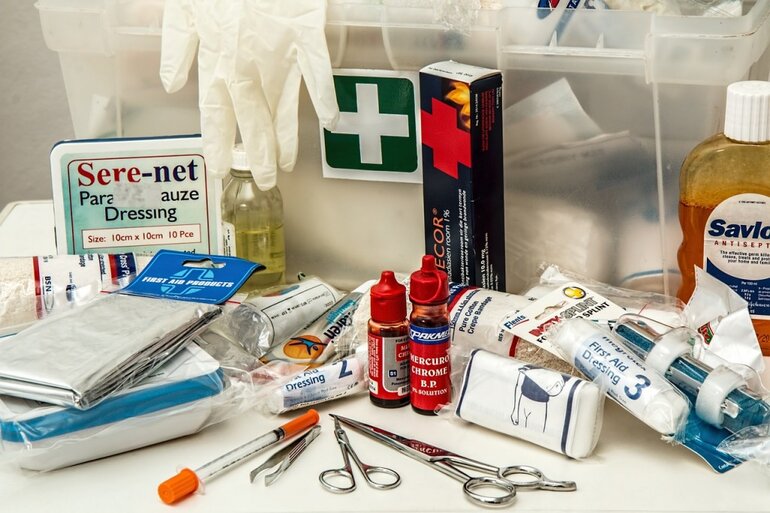
A well-stocked first-aid kit is arguably the most important item on this list. It’s your immediate resource for treating minor injuries and ailments when access to medical care is limited or delayed. A comprehensive kit should include:
- Bandages: Assorted sizes of adhesive bandages, sterile gauze pads, and compression bandages for cuts, scrapes, and sprains.
- Antiseptic Wipes/Solution: To clean wounds and prevent infection. Alcohol-free options are preferred for sensitive skin.
- Pain Relievers: Over-the-counter pain relievers like ibuprofen or acetaminophen for headaches, muscle aches, and fever.
- Antihistamines: For allergic reactions to insect bites, food, or pollen. Consider both topical and oral antihistamines.
- Anti-Diarrheal Medication: Traveler’s diarrhea is a common ailment. Pack loperamide (Imodium) or bismuth subsalicylate (Pepto-Bismol) for relief.
- Motion Sickness Medication: If you’re prone to motion sickness, bring medication like dimenhydrinate (Dramamine) or ginger tablets.
- Burn Cream: For minor burns and sunburns.
- Tweezers: For removing splinters, insect stingers, and other foreign objects.
- Scissors: Small, sharp scissors for cutting bandages and other materials.
- Safety Pins: Useful for securing bandages, clothing repairs, and various other purposes.
- Latex-Free Gloves: To protect yourself when treating someone else’s wounds.
- Digital Thermometer: To monitor body temperature.
- Personal Medications: If you take any prescription medications, ensure you have an adequate supply for the duration of your trip, along with a copy of your prescription.
Choosing and Using Your First-Aid Kit:
- Pre-assembled vs. DIY: You can purchase a pre-assembled travel first-aid kit or create your own. Pre-assembled kits are convenient, but you may need to add items specific to your needs and destination.
- Check Expiration Dates: Regularly check the expiration dates of all medications and replace them as needed.
- Know How to Use Everything: Familiarize yourself with the proper use of each item in your kit before you travel. Consider taking a basic first-aid course.
- Keep it Accessible: Store your first-aid kit in a readily accessible location, such as your carry-on bag or daypack.
- Consider Your Destination: Adapt your kit to the specific risks of your destination. For example, if you’re traveling to a malaria-prone area, include anti-malarial medication.
2. Personal Safety Alarm: A Discreet and Powerful Deterrent
A personal safety alarm is a small, portable device that emits a loud, piercing sound when activated. It’s designed to deter attackers and attract attention in emergency situations.
How it Works: Most personal safety alarms have a pin that, when pulled, triggers the alarm. Some models also include a flashing strobe light.
Benefits:
- Deters attackers: The loud noise can startle and disorient potential assailants, giving you time to escape.
- Attracts attention: The alarm can alert bystanders to your distress, potentially leading to intervention.
- Easy to use: Simple operation, even in stressful situations.
- Non-lethal: A safe and legal way to protect yourself without resorting to violence.
- Compact and lightweight: Easy to carry in your pocket, purse, or attached to your backpack.
Choosing and Using Your Personal Safety Alarm:
- Sound Level: Look for an alarm with a high decibel rating (at least 120 dB) for maximum effectiveness.
- Battery Life: Ensure the alarm has a long battery life and replace the batteries regularly.
- Ease of Activation: Choose an alarm that is easy to activate quickly, even in a panic.
- Practice Using It: Familiarize yourself with the activation mechanism before you travel.
- Carry it Readily Accessible: Keep the alarm in a pocket or attached to your bag where you can reach it quickly.
3. Copies of Important Documents: Safeguarding Your Identity and Travel Plans
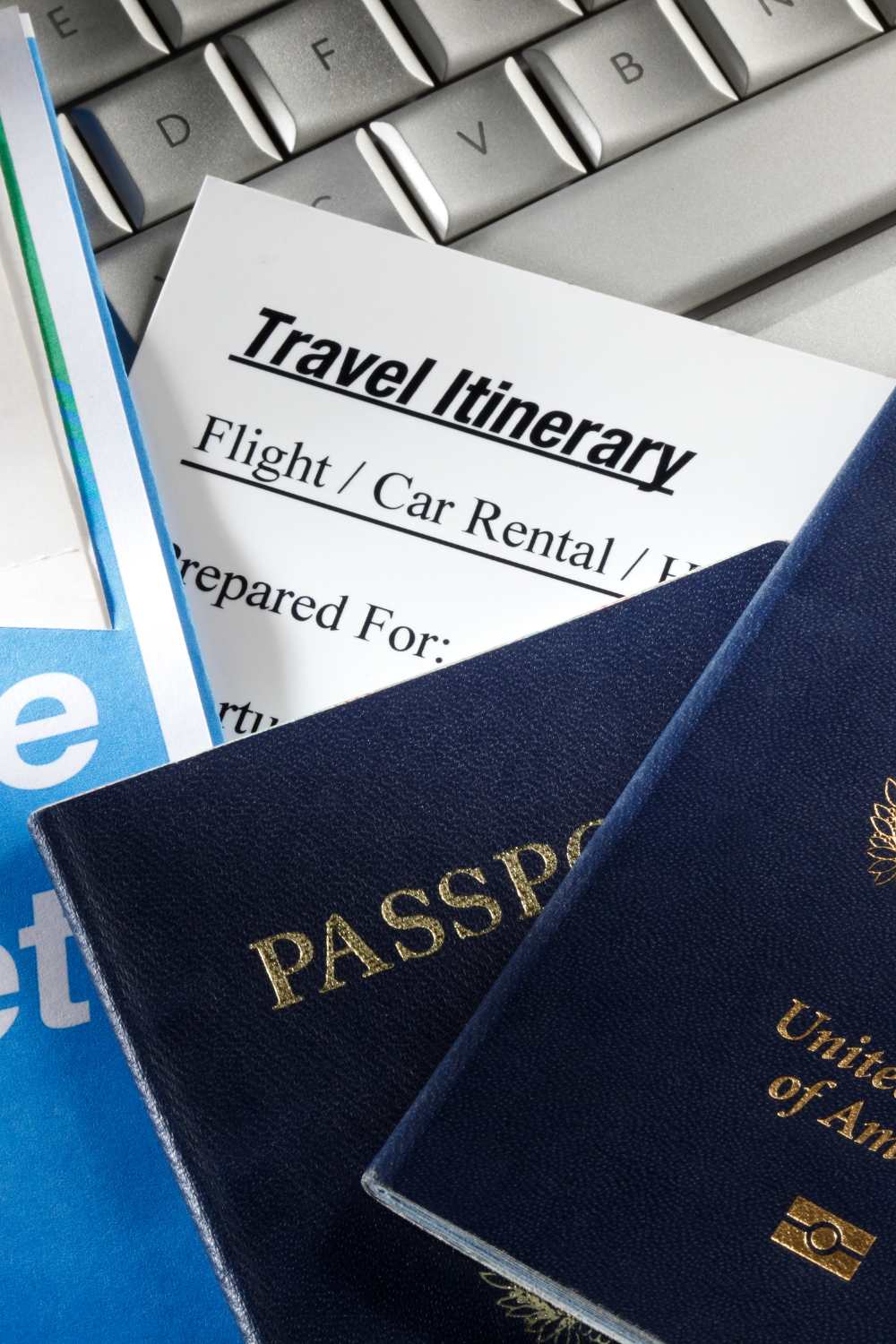
Losing your passport, driver’s license, or other important documents can be a major headache while traveling. Having copies of these documents can expedite the replacement process and help you prove your identity.
What to Copy:
- Passport (photo page and visa pages)
- Driver’s license or other government-issued ID
- Travel insurance policy
- Flight/train/bus tickets
- Hotel reservations
- Credit cards (front and back – block out the CVV code)
- Emergency contact information
How to Store Copies:
- Digital Copies: Scan or photograph your documents and store them securely in a cloud-based service like Google Drive, Dropbox, or iCloud. Ensure the service is password-protected and consider using two-factor authentication.
- Physical Copies: Make physical photocopies of your documents and store them separately from the originals. Keep one set in your checked luggage and another in your carry-on bag.
- Email Copies: Email copies of your documents to yourself and a trusted contact.
4. Portable Charger: Staying Connected and Informed
In today’s digital age, our smartphones are essential tools for navigation, communication, and accessing information. A portable charger (power bank) ensures that your phone stays charged, even when you’re away from power outlets.
- Capacity: Choose a power bank with a sufficient capacity to charge your phone multiple times. A 10,000 mAh power bank should be enough for most travelers.
- Charging Speed: Look for a power bank with fast charging capabilities to quickly replenish your phone’s battery.
- Number of Ports: Consider a power bank with multiple USB ports to charge multiple devices simultaneously.
- Durability: Choose a power bank that is durable and can withstand the rigors of travel.
- Airline Regulations: Be aware of airline regulations regarding the capacity of lithium-ion batteries allowed in carry-on baggage. Most airlines allow power banks up to 100Wh.
5. Emergency Contact Information: Ensuring Swift Assistance in Crisis
Having readily available emergency contact information is crucial in case of an accident, illness, or other emergency.
Who to Include:
- Family members
- Friends
- Doctor
- Travel insurance provider
- Local emergency services (police, fire, ambulance)
- Embassy or consulate (if traveling internationally)
How to Store Information:
- Phone Contacts: Save emergency contacts in your phone’s address book with clear labels (e.g., “Emergency Contact – Mom”).
- ICE (In Case of Emergency) Contact: Set up an ICE contact on your phone. This allows emergency responders to access your contact information even if your phone is locked.
- Written List: Carry a written list of emergency contacts in your wallet or passport.
- Medical ID: If you have any medical conditions, consider creating a medical ID on your phone or wearing a medical alert bracelet.
6. Whistle: A Simple yet Effective Signaling Device
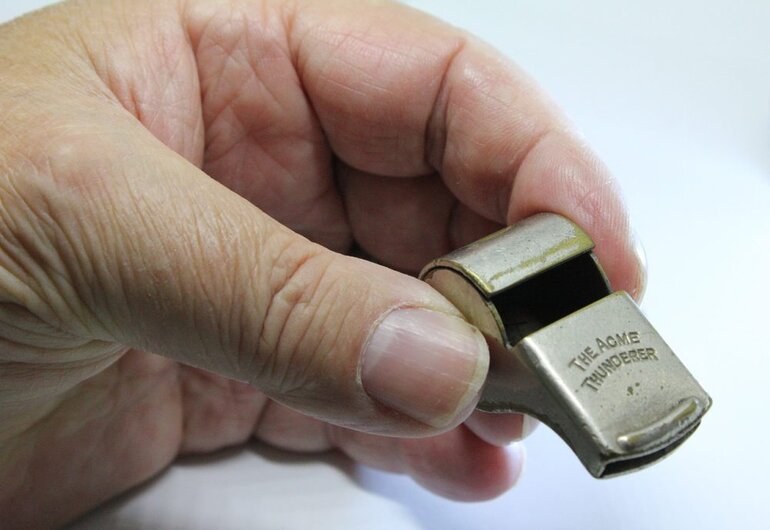
A whistle is a small, lightweight, and inexpensive device that can be used to signal for help in emergency situations.
Benefits:
- Loud and Piercing Sound: A whistle can produce a loud, piercing sound that can be heard over long distances.
- Attracts Attention: The distinct sound of a whistle can attract attention in noisy environments or when you’re lost or injured.
- Easy to Use: Simple to operate, even in stressful situations.
- Lightweight and Compact: Easy to carry in your pocket, purse, or attached to your backpack.
Choosing a Whistle:
- Pea-less Whistle: Pea-less whistles are more reliable than pea whistles, as they won’t become clogged with moisture.
- High Decibel Rating: Look for a whistle with a high decibel rating (at least 115 dB).
- Durable Construction: Choose a whistle made from durable materials that can withstand the elements.
7. Flashlight or Headlamp: Illuminating Your Path in the Dark
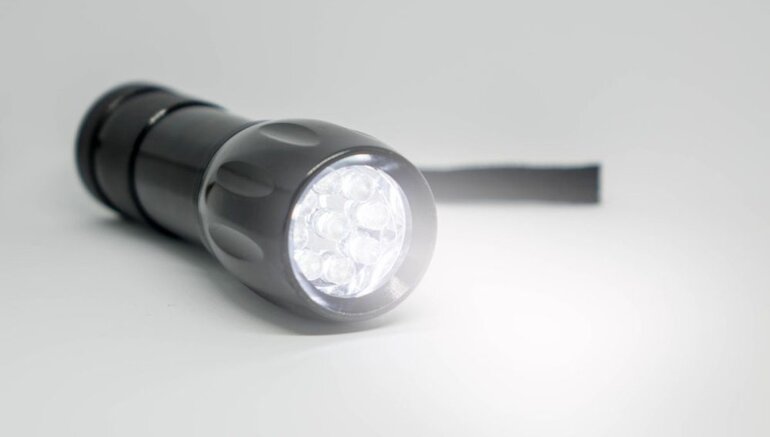
A flashlight or headlamp is essential for navigating in the dark, whether you’re hiking, camping, or simply walking back to your hotel at night.
Flashlight vs. Headlamp:
- Flashlight: A handheld light that is versatile and can be used for a variety of purposes.
- Headlamp: A hands-free light that is ideal for activities that require both hands, such as hiking, camping, or repairing equipment.
Choosing a Flashlight or Headlamp:
- Brightness: Consider the brightness of the light (measured in lumens). A brighter light is better for outdoor activities, while a dimmer light is sufficient for indoor use.
- Battery Life: Choose a light with a long battery life.
- Durability: Look for a light that is durable and water-resistant.
- Size and Weight: Choose a light that is compact and lightweight for easy carrying.
8. Duct Tape: The Ultimate Repair Tool
Duct tape is a versatile repair tool that can be used for a wide range of purposes, from repairing torn clothing to fixing broken equipment.
Uses:
- Repairing torn clothing, backpacks, or luggage
- Securing bandages
- Fixing broken equipment
- Creating makeshift shelters
- Waterproofing items
Packing Duct Tape:
- Wrap a roll around a water bottle or walking stick. This saves space and keeps the tape readily accessible.
- Carry a small, travel-sized roll of duct tape.
9. Water Purification Tablets/Filter: Ensuring Safe Drinking Water
Access to clean drinking water is essential for maintaining your health while traveling. Water purification tablets or a portable water filter can help you purify water from questionable sources.
- Water Purification Tablets: Effective for killing bacteria, viruses, and protozoa in water. Follow the instructions carefully and allow sufficient time for the tablets to work.
- Portable Water Filter: Removes sediment, bacteria, and protozoa from water. Choose a filter that is lightweight and easy to use.

10. Travel Insurance Information: Your Safety Net for Unexpected Events
Travel insurance provides financial protection in case of medical emergencies, trip cancellations, lost luggage, and other unforeseen events.
What to Include in Your Travel Insurance Information:
- Policy number
- Insurance company contact information (including emergency hotline)
- Coverage details
- Claim procedures
Storing Your Travel Insurance Information:
- Digital Copy: Save a digital copy of your travel insurance policy on your phone or in the cloud.
- Physical Copy: Carry a physical copy of your travel insurance policy in your wallet or passport.
Bonus Tip: Peace of Mind with a PAJ GPS Suitcase Tracker
While we’ve covered essential items for personal safety, let’s not forget the anxiety of lost luggage. Consider using a PAJ GPS Suitcase Tracker to keep tabs on your belongings. These compact devices can be discreetly placed inside your suitcase, allowing you to track its location in real-time via a smartphone app. This provides peace of mind knowing where your luggage is at all times, especially during layovers or when dealing with potentially unreliable baggage handling. Knowing you can pinpoint your bag’s location empowers you to take proactive steps in case of delays or misdirection, and significantly speeds up the recovery process. Features often include geofencing (alerting you if the tracker leaves a designated area) and long battery life, making them a worthwhile investment for frequent travelers.
By packing these top 10 (plus one!) travel safety essentials, you can significantly reduce your risk of encountering problems while traveling and ensure a safer and more enjoyable experience. Remember that preparation is key. Before your trip, research your destination, learn about potential hazards, and familiarize yourself with local laws and customs. Safe travels!

